
Brands constantly come to play on social media, launching campaigns and content with hopes of going viral—whatever that even means today. Their true goal is to shape the narrative around teams and footballers among loyal, high-spending consumers, you know, the fans.
The problem is, social media is still a lawless and chaotic place for one reason we all know and love (as long as it doesn’t affect us): Memes.
Quite frankly, memes creators don’t give a rat’s ass about any precious, carefully crafted, bulletproof, focus-group-tested messages that brands or athletes post. They just want to watch their baby set the world on fire. And they’re pretty darn good at it.
So, let’s name a few names, starting with West Ham’s number 10, Brazilian national player Lucas Paquetá. His meme, known as “Paquetá Island,” stems from rumors of him being involved in match-fixing to benefit from betting websites. The investigation closed in on Paquetá after he was linked to bets on him receiving a yellow card during a West Ham match, which won the bettors a significant chunk of change.
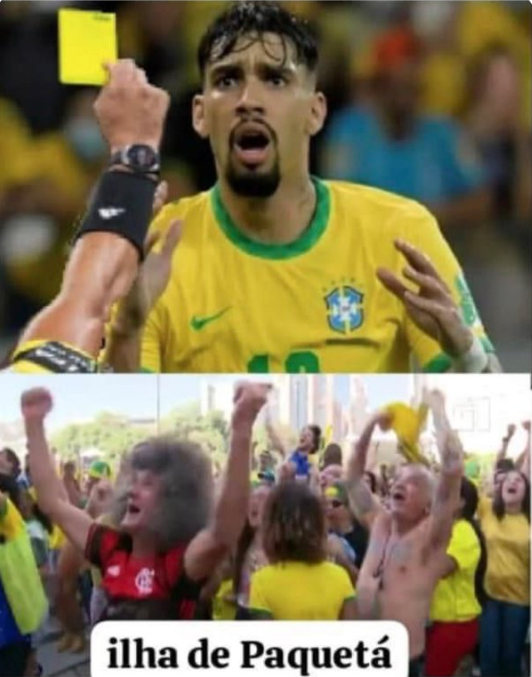
The mere accusation was enough for memes in Brazil to start popping up. The one that exploded was a split screen showing what happens on “Paquetá Island”—a nod to the actual Paquetá Island located in Rio de Janeiro state—when he gets a yellow card. The meme uses footage of Brazilian crowds celebrating World Cup goals, you can imagine the insanity, portraying them as the island’s population celebrating his yellow card, which meant big payouts for them. Look it up, it’s wild.
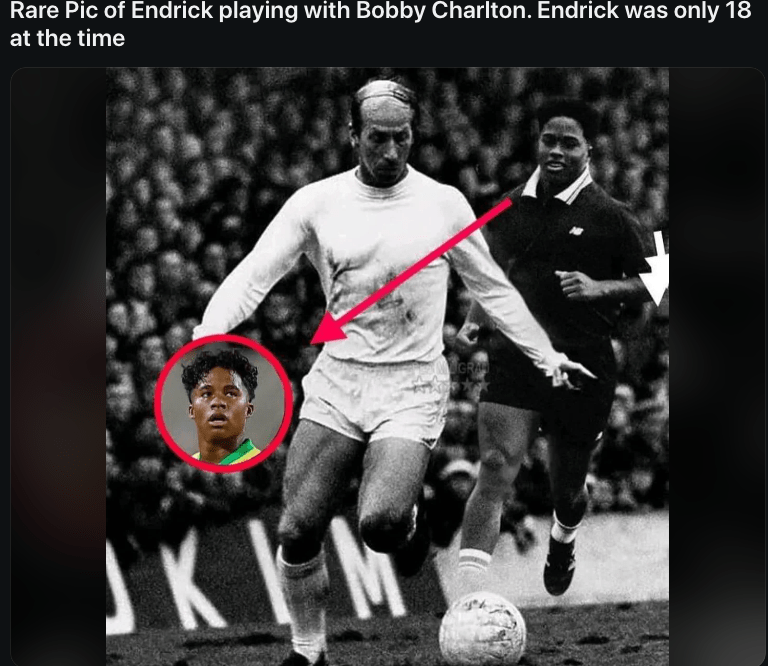
Another target? Real Madrid’s young galáctico Endrick, who recently joined the club. During his first press conference, when asked to name past players who inspired him, Endrick—an 18-year-old Brazilian with a long list of national football royalty to choose from—went with Bobby Charlton. It quickly became clear his staff had instructed him to mention Charlton in a bizarre attempt to make him seem knowledgeable about the history of the game. The backfire was biblical. The internet was flooded with memes of Endrick in various 1960s scenarios, watching Bobby play or hanging out with the Manchester United legend. There’s even “real” footage of them training together. If you Google Bobby Charlton now, the first person who appears under “people also search for” is Madrid’s number 16. What started among Brazilian fans quickly spread globally, overshadowing any content play Endrick was involved in for weeks.
Memes today are a free-flowing, creative, and faceless force. They operate everywhere and come from nowhere. They follow no rules, guardrails, or best practices. Quite the opposite, they’re fast to latch onto a narrative that sticks, whether it’s true or not. They rise from millions of failed memes to become the engagement-driving stories that brands can only dream of creating.
The question remains: What should brands, teams, and players do? Engaging with memes is like talking to that wacko on the subway who’s shouting conspiracy theories while everyone else avoids eye contact (but internally they’re all entertained by the madness). You need to think long and hard about how you respond. If you go for it, whatever you do, doing it with grace helps.
Like Endrick that recently went viral again in a video where Brazilian fans kept shouting “Bobby! Bobby!” at him while he warmed up during a World Cup qualifier. His reaction? He laughed hard. If you can’t win them over, admit you sh*t the bed and join them. There’s always another target just around the corner.
 ZUZU F.C.
Leave a comment